Showing posts with label scorpio. Show all posts

Monday, March 19, 2018

Hot Nights in the Sand! Northern Slopes of the Soutpansberg 12-15 March 2018.


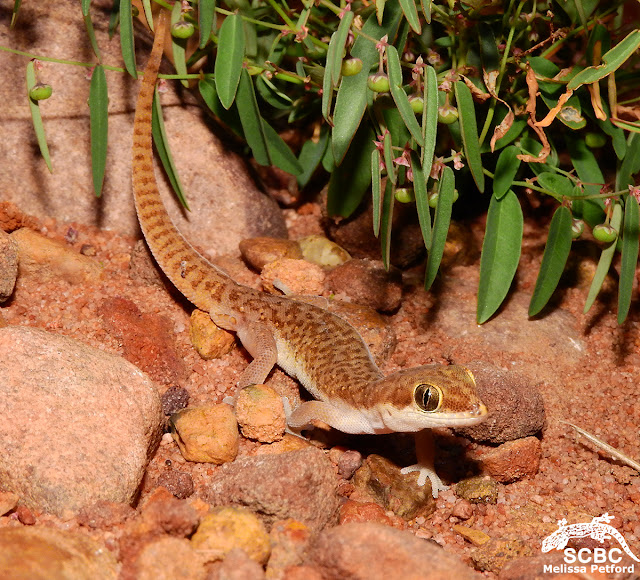
Kalahari Ground Gecko (Pachydactylus wahlbergii). A new species for our list and a new record for the Soutpansberg.
Nice large Horned Adder spotted while walking through a hot dry area.
The Soutpansberg Centre for Biodiversity and Conservation visited the Northern Slopes and Limpopo valley this week for reptile sampling. We visited a new site on a private reserve west of Waterpoort. As it was our first visit we spent our time identifying habitats to sample in, and began exploratory sampling to start building our lists for the reserve. Our aim for this first visit was to cover as much ground as possible and add as many species to the list as we could. In total we ended on 28 species of reptile from 142 individual records, including a few regional rarities and habitat specialists. We predict high diversity and abundance from this site.

Lala Palm thicket on Northern Slopes of Soutpansberg.
Open Savanna Sandveld of the hot northern slopes.
During the period we concentrated our efforts on two very different sandy areas that we identified as unique. The first being Lala Palm Thicket on deep sand, the second important area was Open Savanna Sandveld in a hot valley over the first ridge. Both habitats occur elsewhere on the Soutpansberg, but this is the first time we have sampled such large unbroken areas of these habitat. Other areas that were identified as interesting are the grassy marshy wetland areas and also the hot south facing slopes bordering hot dry sandveld.

Turner's Gecko (Chondrodactylus turneri) most abundant gecko at site.
Juvenile Bushveld Lizard ( Heliobolus lugubris ) most abundant diurnal lizard at site.
Striped Skink (Trachylepis striata). A common and attractive tree dwelling lizard.
Male Rainbow Skink (Trachylepis margaritifer)
Veld Monitor (Varanus albigularus) one of our largest lizard species.
The most common lizards we encountered during our survey were the highly visible and active bushveld lizards (29). Second most abundant was the nocturnal lizard, Turner’s Gecko (27). The third most common lizards encountered were the rock dwelling Rainbow Skinks and tree dwelling Striped Skinks (11 each). 

Peter's Ground Agama (Agama armata) one of two agamas we spotted.
Detail of Kalahari Ground Gecko (Pachydactylus wahlbergii).
Our survey also produced one rarity, the Kalahari Ground Gecko (Pachydatylus wahlbergii). This gecko is common in the Central Kalahari region and there is an isolated population in Limpopo province, with records at Mopane (near Waterpoort) and Langjan. To our knowledge this is the first confirmed record of this species in the Soutpansberg and is a significant range extension.This brings our Soutpansberg Reptile list up to 111 species.
Adult male Speckled Gecko (Pachydactylus punctatus).
Other interesting sightings were locating two species of Pachydactylus gecko (Transvaal Gecko and Speckled Gecko) in sympatry. This is also only the third locality in the Western Soutpansberg where we have found the Speckled Gecko (Pachydactylus punctatus).
A beautifully marked Juvenile Speckled Gecko (Pachydactylus punctatus).
Another surprise find was the the presence of Marsh Terrapins in Arid Sandveld. Three juveniles were seen in rock pools and a larger sub-adult was spotted in a man made drinking trough. Amazing that these aquatic animals have managed to move over hot dry sandy areas to find a suitable place to live.

Juvenile Marsh Terrapin ( Pelomedusa subrufa) found in temporary rock pool.
We were also happy to locate the White-bellied Dwarf Burrowing Skink (Scelotes albiventris) on the deep sand. This is one of our target species we are working on in the Soutpansberg and busy updating distributional data for it. So far we have located them from Blouberg in the West all the way east to Nwanedi. Previously animal was restricted to Langjan area. 

White-bellied Dwarf Burrowing Skink (Scelotes limpopoensis albiventris). A highly restricted Limpopo endemic. Our fourth locality for this species in the Soutpansberg.


We were surprised not to find many snakes during our sample effort although what we did see were interesting. At reserve we saw a Black Mamba, Bibron's Blind Snake, two Boomslang, a Horned adder, Yellow-bellied Sand Snake and Long-tailed Thread Snake. The dry hot weather probably resulted in the limited snake activity.
Female Northern Boomslang (Dispholidus typus viridis)
Bibron's Blind Snake (Afrotyphlops bibronii).
Long-tailed Thread Snake (Myriopholis longicauda)
Juvenile Northern Boomslang (Dispholidus typus viridis)
Scorpions
The Soutpansberg Centre for Biodiversity and Conservation is also working on scorpion diversity and distribution and during our sampling we were lucky enough to locate a new species of scorpion for our list, Parabuthus kuanyamarum. this brings our Soutpansberg Scorpion List up to 26 species.


Parabuthus kuanyamarum a new species for our scorpion list.
Hottentota trilineatus eating solifuge.
Along the way we encountered some other interesting animals on the northern slopes off the sample site. Here are some of the highlights.
Parabuthus granulatus saw three moving around over two nights in hot conditions.
Juvenile Olive Whip Snake (Psammophis mossambicus)
Large Puff Adder (Bitis arietans) hiding under bush.
Very obliging Variable Skink (Trachylepis varia) while photographing it jumped onto my camera and rested on my hand for a moment. These lizards are common, but one of my favorite species.

Very fat and possibly gravid Scolopendra morsitans.

Survey Site Reptile List

Marsh Terrapin (Pelomedusa subrufa)
Leopard Tortoise (Stigmochelys pardalis)
Pienaar’s Flat Gecko (Afroedura pienaari)
Turner’s Gecko (Chondrodactylus turneri)
Common Tropical House Gecko (Hemidactylus mabouia)
Common Dwarf Gecko (Lygodactylus capensis)
Kalahari Ground Gecko (Pachydactylus [Colopus] wahlbergii)
Common Dwarf Gecko (Lygodactylus capensis)
Transvaal Gecko (Pachydactylus affinis)
Speckled Gecko (Pachydactylus punctatus)
Bushveld Lizard (Heliobolus lugubris)
Savanna Lizard (Meroles squamulosus)
Jones’ Girdled Lizard (Cordylus jonesii)
Soutpansberg Flat Lizard (Platysaurus relictus)
Flat Dragon Lizard (Smaug depressus)
Spotted-neck  Snake-Eyed Skink (Panaspis maculicollis)
Rainbow Skink (Trachylepis margaritifer)
Striped Skink (Trachylepis punctatissima)
Variable Skink (Trachylepis varia)
White-bellied Dwarf Burrowing Skink (Scelotes albiventris)
Rock Monitor (Varanus albigularis)
Flap-necked Chameleon (Chameleo dilepis)
Distant’s Ground Agama (Agama aculeata distani)
Peter’s Ground Agama (Agama armata)
Bibron’s Blind Snake (Afrotyphlops bibronii)
Long-tailed Thread Snake (Myriopholis longicauda)
Horned Adder (Bitis caudalis)
Western Yellow-Bellied Sand Snake (Psammophis subtaeniatus)
Black Mamba (Dendroaspis polylepis)
Boomslang (Dispholidus typus)

Big thanks to Mr. Jannie Moolman for allowing access to his beautiful property.

Juvenile Flap-necked Chameleon (Chameleo dilepis) sleeping on a branch.

Sunday, June 21, 2015

11 May – 6 June


A Fish Eagle surveying the gorge.
Moonrise and scorpio - a night scene.
Reticulated Centipede-eater, Aparallactus lunulatus lunulatus, a snake that is not often seen.


This was an interesting period. The weather began to cool drastically and the light in the day is noticeably dimmer than when the sun is closer. Still not bad weather for what is considered winter in South Africa. The drought of the past year has really had a knock-on effect and the veld is taking strain. The fruit trees never fruited properly (this is especially noticeable with the lack of dry Grewia fruits on the trees). Let's see what the next rainy season brings. 

The endemic Soutpansberg Dwarf Gecko, Lygodactylus soutpansbergensis.
Van Son’s Gecko, Pachydactylus vansoni
In terms of sightings this was an interesting period. For me the highlight was seeing two gecko species that have not been seen since March last year (Van Son’s Gecko and Soutpansberg Dwarf Gecko). The dry environment also led to a spike in mammal sightings, because there is less vegetative cover it is easier to see certain species. Lesser Bush Babies, Large-spotted Genets and Porcupines were seen often on night walks and around the accommodation. The dry season also leads to a change in certain animal’s behavior, an example of this is the tendency of the Crested Guinea Fowl to hang around the accommodation. Usually they are very nervous of people, but they become semi-tame this time of year.

A very boldly marked Variable Skink, Trachylepis varia.
The Common Dwarf Gecko, Lygodactylus capensis capensis.
Boophone disticha. These strange plants are common in the dry hot areas of the property.
Large Hadogenes soutpansbergensis. Another species endemic to the Soutpansberg.

Baobab (Adansonia digitata) under cultivation.
With the cool weather reptile and invertebrate work slows down considerably, however there has been some recent success with burrowing reptiles. A new snake was added to the list (Soutpansberg Purple-Glossed Snake) and also another sighting of the Reticulated Centipede-Eater. The snakes warm themselves under sunbaked rocks, over the next few months we will continue with looking for these subterranean species.

A new mammal was added to our list during this period, the Mountain Reedbuck. We have been trying to capture hyaena on a trap camera and I was pleased to see a small herd of these nice looking antelope.

The last few weeks have seen some further developments in the Soutpansberg Centre for Biodiversity and Conservation’s programme. We are continuing our fight against the illegal sand-mining which is destroying a wetland south of the property. Our neighbour is selling rights to outsiders to remove sand by the truck load. You can see from the images the destruction this is causing.

This road was actually a river once before sand mining in the area became so big.

The knock-on effects of this activity are wide reaching and will certainly affect the area for years to come. The immediate problems this is causing is increased pressure on our part of the river from fishermen, they are no longer able to use the area upstream because of the environmental degradation. With all the activity it is much easier for poachers to get into the area, both small scale poachers hunting bush meat and also rhinocerous poachers using the free for all to access our neighbours at Leshiba. As for the future we can only speculate, but I am sure there will be increased problems with Alien Invasive plants and property destruction when the floods come. Watch this space for developments.


Crested Guinea Fowl, a strange looking bird from any angle.

Bird List

Natal Spurfowl; Crested Francolin; Crested Guineafowl; Eqyptian Goose; Greater Honeyguide; Golden-tailed Woodpecker; Cardinal Woodpecker; Bearded Woodpecker; Black-collared Barbet; Yellow-fronted Tinkerbird; Acacia Pied Barbet; Southern Yellow-billed Hornbill; Red-billed Hornbill; African Grey Hornbill; African Hoopoe; Green Wood-hoopoe; Common Scimitarbill; Malachite Kingfisher; Brown-hooded Kingfisher; Giant Kingfisher; Pied Kingfisher; White-fronted Bee-eater; Red-faced Mousebird; Speckled Mousebird; Burchell's Coucal; Alpine Swift; Little Swift; Purple-crested Turaco; Barn Owl; Pearl-spotted Owlett; Cape Eagle Owl; Fiery-necked Nightjar; Freckled Nightjar; Speckled Pigeon; Laughing Dove; Red-eyed Dove; Emerald-spotted Wood-dove; Tambourine Dove; Three-banded Plover; African Fish Eagle; Cape Vulture; Little Sparrow hawk; Black Sparrow hawk; African Goshawk; African Harrier-Hawk; Verreaux's Eagle; Rock Kestrel; Little Grebe; Grey Heron; Green-backed Heron; Hammerkop; Hadeda Ibis; Black Stork; Black-headed Oriole; Fork-tailed Drongo; Brown-crowned Tchagra; Black-back Puffback; Southern Boubou; Tropical Boubou; Orange-breasted Bush shrike; Gorgeous Bush shrike; Grey-headed Bush shrike; Retz's Helmet-shrike; White-crowned Helmet-shrike; Cape Batis; Chinspot Batis; Pied Crow; Southern Black Tit; Wire-tailed Swallow; Rock Martin; Dark-capped Bulbul; Eastern Nicator; Terrestrial Brownbul; Sombre Greenbul; Yellow-bellied Greenbul; Long-billed Crombec; Cape White-eye; Rattling Cisticola; Tawny-flanked Prinia; Bar-throated Apalis; Yellow-throated Apalis; Grey-backed Cameroptera; Rufous-Naped Lark; Kurrichane Thrush; Ashy Flycatcher; Grey Tit-Flycatcher; White-throated Robin-chat; Red-capped Robin-chat; White-browed Robin-chat; Bearded Scrub-robin; White-browed Scrub-robin; Familiar Chat; Mocking Cliff-chat; Red-winged Starling; Amethyst Sunbird; Collared Sunbird; White-bellied Sunbird; Spectacled Weaver; Red-billed Quelea; Blue Waxbill; Red-billed Firefinch; Southern Grey-headed Sparrow; African Pied Wagtail; Cape Wagtail; Striped Pipit; Yellow-fronted Canary; Cinnamon-breasted Bunting

The White-browed Scrub Robin, an extremely accomplished mimic.

Bibron’s Stilleto Snake, Atractaspis bibronii.

Reptiles

Pelusios sinuatus                                                   Serrated Hinged Terrapin
Kinixys spekii                                                         Speke’s Hinged-back Tortoise
Crocodylus niloticus                                              Nile Crocodile
Afroedura pienaari                                                Pienaar’s Flat Gecko
Chondrodactylus turneri                                       Turner’s Gecko
Hemidactylus mabouia                                          Common Tropical House Gecko
Homopholis wahlbergii                                         Wahlberg’s Velvet Gecko
Lygodactylus capensis capensis                            Common Dwarf Gecko
Lygodactylus ocellatus soutpansbergensis           Soutpansberg Dwarf Gecko
Pachydactylus vansoni                                          Van Son’s Gecko
Smaug warreni depressus                                      Flat Dragon Lizard
Platysaurus relictus                                               Soutpansberg Flat Lizard
Scelotes limpopoensis limpopoensis                      Limpopo Dwarf Burrowing Skink
Afroablepharus maculicollis                                  Spotted-Necked Snake-Eyed Skink
Mochlus sundevallii sundevallii                             Sundevall’s Writhing Skink
Trachylepis margaritifer                                        Rainbow Skink
Trachylepis striata                                                 Striped Skink
Trachylepis varia                                                   Variable Skink
Varanus niloticus                                                   Nile Monitor
Agama armata                                                       Northern Ground Agama
Afrotyphlops bibronii                                             Bibron’s Blind Snake
Python natalensis                                                   Southern African Python
Bitis arietans arietans                                            Puff Adder
Aparallactus lunulatus lunulatus                           Reticulated Centipede-Eater
Atractaspis bibronii                                               Bibron’s Stiletto Snake
Hemirhagerrhis nototaenia                                   Eastern Bark Snake
Psammophis subtaeniatus                                     Stripe-bellied Sand Snake

The Eastern Bark Snake, Hemirhagerrhis nototaenia.

A large Leopard captured on camera trap up on an old mountain road.
Rock Hyrax, one of the most abundant mammals on the property.
It is always nice to see Bush Buck in the day.


Mammal List

Bushveld Elephant Shrew; Chacma Baboon; Vervet Monkey; Thick-tailed Bush baby; Lesser Bush baby; Jameson’s Red Rock Rabbit; Tree Squirrel; Porcupine; Bushveld Gerbil; Namaqua Rock Mouse; Multimammate Mouse; House Rat; Cape Clawless Otter; Selous’s Mongoose; Water Mongoose; Dwarf Mongoose; Large Spotted Genet; African Civet; Brown Hyaena; Leopard; Rock Dassie; Yellow-spotted Dassie; Bush Pig; Bush Buck; Mountain Reedbuck; Klipspringer; Sharpe’s Grysbok


The dry season has really led to a spike in sightings of the Lesser Bushbaby, our smallest primate.

Mountain Reedbuck, a new mammal record for SCBC.